
The Importance Of A Professional Hydraulic Maintenance Service
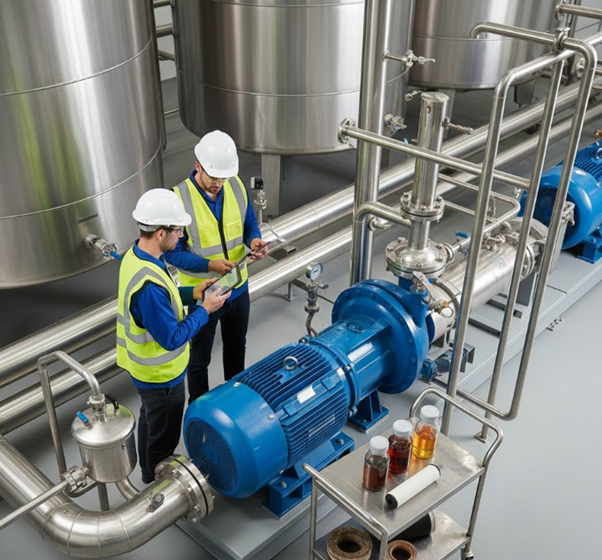
Most people never think about hydraulic systems until something stops working, but they are, nevertheless, the silent engine behind countless water management processes. In the water utilities sector, hydraulic systems sit at the centre of almost every critical operation. They power inlet screens, drive sludge handling systems, operate penstocks, control chemical dosing, support pumping assets, and maintain reliable flow across treatment works and network infrastructure.
Whether lifting heavy gates or providing the fine control required for flow modulation, hydraulic systems enable a level of performance that few other technologies can match. However, the very forces that make hydraulic systems so dependable—such as high pressure, constant motion, and intensive duty cycles—also expose them to significant wear and tear. Microscopic contamination, a softening hose, or even a fatigued pump can undermine the stability of an entire site long before a failure becomes apparent.
This is what makes hydraulic maintenance services a strategic pillar of resilience for water companies. As utilities face rising regulatory scrutiny and increasing expectations around service continuity, the reliability of hydraulic systems is squarely in the spotlight. A proactive maintenance approach safeguards uptime, strengthens asset performance, and reduces the operational risk of equipment failure.
Hydraulics In The Water Sector: High-Stakes Consequences
Hydraulic systems in water and wastewater operations carry significant loads and operate in harsh, wet, corrosive, and often abrasive environments. From raw sewage lifting to final effluent management, hydraulics are responsible for precise and repeatable motions under challenging conditions.
Unlike other industries, failures in the water sector do more than interrupt production; they also risk pollution incidents and service disruption to businesses and households. This makes dependable hydraulic services a key part of maintaining operational stability across your treatment infrastructure and pumping stations. Because hydraulic equipment often runs in high-frequency cycles, the risk of heat buildup and fluid degradation is constant. Without structured maintenance, these forces gradually erode system efficiency.
So, How Do You Prevent Unexpected Failures?
Unplanned hydraulic failures can quickly escalate into network-wide incidents and environmental compliance breaches. For example, a failed penstock actuator can prevent flow control, while a pump failure could overwhelm your upstream assets. Even a humble burst hydraulic hose at a treatment works could trigger a pollution event or cause your chemical dosing system to shut down. These types of disruptions carry both operational and reputational consequences for water companies.
Industry analyses consistently show that fluid contamination is the leading cause of hydraulic system failure, accounting for up to 80% of breakdowns. And for water companies, this contamination risk is heightened due to environmental exposure and the challenge of handling sludge, grit, sand and other abrasive solids. Contaminants can enter hydraulic systems through worn seals, corroded pipework, or even misaligned pumps. A preventive hydraulic maintenance service programme reduces these risks by combining fluid sampling, leak detection, hose inspection, filter changes, and pressure testing into a unified service. This allows engineers to identify early indicators of faults, such as temperature fluctuations, anomalous actuator motions, and slow hydraulic responses, letting you plan your interventions before failures cascade through your wider workflows.
Extending The Life Of Your Critical Utility Assets
British water companies manage some of the most asset-heavy networks in Europe, with each hydraulic system representing a significant capital outlay. This investment is never static, as pumps, actuators, motors, valves, and cylinders all depreciate in performance over time. However, degradation accelerates more rapidly when maintenance lapses.
A regular hydraulic pump service extends component life by maintaining the correct lubrication level, preserving fluid integrity, and maintaining optimal pressure. What a service looks like varies from asset to asset, but most programmes involve replacing worn seals, realigning shafts, validating relief valve calibration, and checking cylinder integrity – with each action targeted to reduce reactive failures and lower your asset renewal costs.
Improving Energy Efficiency And Process Stability
Hydraulic inefficiencies often develop gradually, which is why they are so difficult to notice. Incrementally reduced lifting power, increased heat, inconsistent actuator responses: these issues may seem so minor at first that they appear within the normal operating range, but actually indicate the first signs of internal leakage or deteriorating fluid quality.
In water utilities management, even minor inefficiencies can have a disproportionate impact on process control. Poor hydraulic performance can disrupt sludge thickening cycles, for example, or reduce screening efficiency, increasing the risk of pollution incidents. Proactive h
ydraulic services help restore optimal system efficiency by regulating several key parameters:
Hydraulic fluid viscosity
Pump pressure and flow rate
Control valve response times and consistency
Filter flow rate and capacity
Thermal stress on cooling systems.
Ultimately, an efficient hydraulic system reduces the energy consumed by your network – a major operational cost driver – and supports more consistent treatment outcomes, particularly during high load seasons and storm events.
Protecting The Safety Of Your Employees And The Public
Hydraulic failures pose an acute environmental risk to surrounding ecosystems and can severely disrupt your operations, but they are also safety risks. A hose rupture under pressure can cause serious injuries to your workforce and any passers-by, and many hydraulic fluid exposure injuries require immediate medical attention. Such risks are amplified in water treatment facilities where space is tight or moisture levels are high.
Routine hydraulic maintenance services keep your system safe by ensuring that your fittings, hoses, valves, and seals are structurally sound. Monitoring relief valve performance, verifying system pressure limits, and checking heat generation levels all play a role in safeguarding the operators who work in close proximity to hydraulic systems.
Reducing Your Downtime And Operating Costs
Hydraulic systems that are inadequately maintained typically cost more to operate over their life cycle. Undetected leaks and contaminated oil force sewage pumps to work harder, accelerating physical damage and increasing energy consumption. This has the effect of lowering efficiency and productivity, and shortening your asset replacement cycles.
For businesses already operating on a tight budget and facing rising customer scrutiny and expectations, these inefficiencies compound already existing operational challenges. A proactive hydraulic service will shift maintenance from a reactive cost to a more value-generating operational strategy. There are several benefits to this:
Lower short and long-term energy consumption
Fewer emergency repairs and unscheduled outages
Reduced spare parts expenditure
Longer component life
Improved uptime across your treatment works and pumping stations
Regulatory Alignment
In the water sector, hydraulic reliability is inseparable from regulatory compliance. Management organisations operate under strict frameworks such as the Environment Agency’s Environmental Permitting Regulations (EPR), Ofwat’s asset resilience expectations, and Drinking Water Inspectorate (DWI) standards. System or component failures that disrupt flow control, chemical dosing accuracy, or sludge handling can lead directly to permit exceedances and environmental incidents – putting you at risk of regulatory enforcement. Effective hydraulic maintenance therefore supports compliance performance and your company reputation, as well as operational uptime.
The Cost Of Reactive Failures
Hydraulic systems are the hidden force behind reliable water and wastewater operations, with their performance directly impacting treatment stability, environmental standards, and customer service outcomes. By investing in hydraulic maintenance services, you can safeguard your assets, enhance reliability, and operate with greater predictability in an increasingly demanding regulatory landscape.
The financial impact of reactive maintenance is consistently shown to exceed planned maintenance costs by a significant margin. While figures vary by asset class, unplanned hydraulic repairs can easily cost substantially more than proactive interventions when factoring in labour, downtime, emergency response, and potential environmental penalties. This reinforces the value of a structured hydraulic maintenance strategy as a cost avoidance measure.
What Next?
To find out more and to discuss how Samatrix can help you, please contact one of our specialists today by calling 01792 949484 or click here to send us a message.
