

Why Does A System Need To Have A Booster Pump?
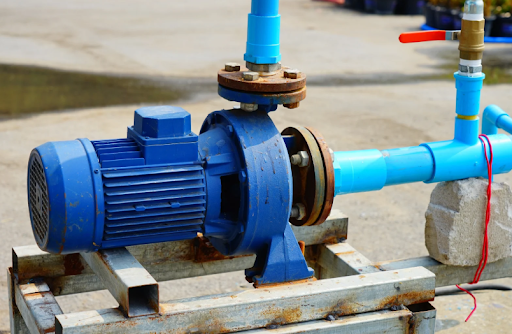
If you’ve ever turned on a tap and watched the water dribble out instead of flow, you already know the intuitive answer to why a system might need a booster pump. Booster pumps solve one of the most persistent problems in water management: insufficient water pressure.
When the effects of gravity, long pipe runs, frictional losses, or high system demand mean that water cannot reach fixtures at an acceptable pressure, a booster pump steps in to give the supply an extra push. In this article, we explain what a booster pump is used for to help you decide if you require one for your system.
What Is A Booster Pump Used For?
A water booster pump is a device designed to increase water pressure and improve flow in a plumbing network or water treatment system. Sometimes, static pressure or natural head isn’t enough to maintain the required pressure, so booster pumps are commonly installed where the incoming flow from the mains or storage tank can’t support the demands of the process. For example, they are used:
To make sure upper floors in a building get consistent water pressure
To ensure showers, taps, dishwashers, and other appliances work correctly when multiple outlets are in use
To move water from a storage tank or break tank into a distribution or treatment network
To support industrial processes, agricultural irrigation, or commercial systems that require consistent and reliable pressure levels.
For industrial scale wash water systems, including high-pressure cleaning for trucks, trains, and large vehicles.
Why Is Low Water Pressure A Problem?
Low or inconsistent water pressure can trigger a range of issues. For example, poor pressure can lead to inefficient pump performance, long fill times for cylinders or tanks, and, in some cases, difficulty meeting process or hygiene requirements.
Pressure rarely remains consistent throughout a system without mechanical assistance. Pipe friction, long horizontal runs, debris buildup, and restricted fittings all leach energy from the water flow, reducing pressure and flow rate. In extended sites or those dependent on distant water sources, this depletion is unavoidable. A carefully situated booster pump compensates for these losses, restoring usable pressure at the point of use.
Pressure rarely remains consistent throughout a system without mechanical assistance. Pipe friction, long horizontal runs, debris buildup, and restricted fittings all leach energy from the water flow, reducing pressure and flow rate.
Furthermore, external demand on the local water main can cause significant fluctuations. This is often seen in high density residential areas, while pressure may be sufficient in the winter, the surge in demand during the summer months or peak occupancy periods can cause a sharp drop in pressure for individual properties.
In extended sites, locations dependent on distant water sources, or areas where an increase in demand from neighboring assets leaches supply, this depletion is unavoidable. A carefully situated booster pump compensates for these losses, restoring usable pressure at the point of use regardless of external conditions.
How Does A Booster Pump Fit Into Your System?
Many commercial and utilities based water booster pumps are centrifugal units that draw water from the mains line or tank and push it into the system at a higher pressure. Many of these units integrate a pressure vessel with mechanical or electronic controls, so that when pressure in the line drops (e.g. because the process starts or demand increases), the pump automatically starts. When the pressure recovers, it stops. This automatic response is why the correct sizing and commissioning process matters. The goal is to maintain stable pressure without frequent on/off cycling, which can waste energy and wear out components.
Maintaining Your Booster Pumps
As with any rotating asset, these units benefit from regular booster pump maintenance to maintain reliability and efficiency. A simple booster pump maintenance checklist might cover:
Visual inspection of the pump, pipework, and any connections
Checking the pressure readings against design values
Confirming that the control and regulation equipment is operating correctly.
Inspecting non-return valves and isolation valves
Excessive vibration indicating worn equipment.
Listening for any unusual noises that could indicate cavitation or worn bearings.
These routine checks will detect small issues, such as air ingress, blocked strainers, or incorrect pressure switch settings, before they create a problem in your system.
Next steps
If you would like to find out more about booster pump maintenance and the benefits of installing a booster pump in your network, please contact one of our knowledgeable team today.

Image Source: Canva