.png?width=749&height=158&name=Samatrix+Logo%20(1).png "Samatrix Logo")

.png?width=400&height=84&name=Samatrix+Logo%20(1).png)
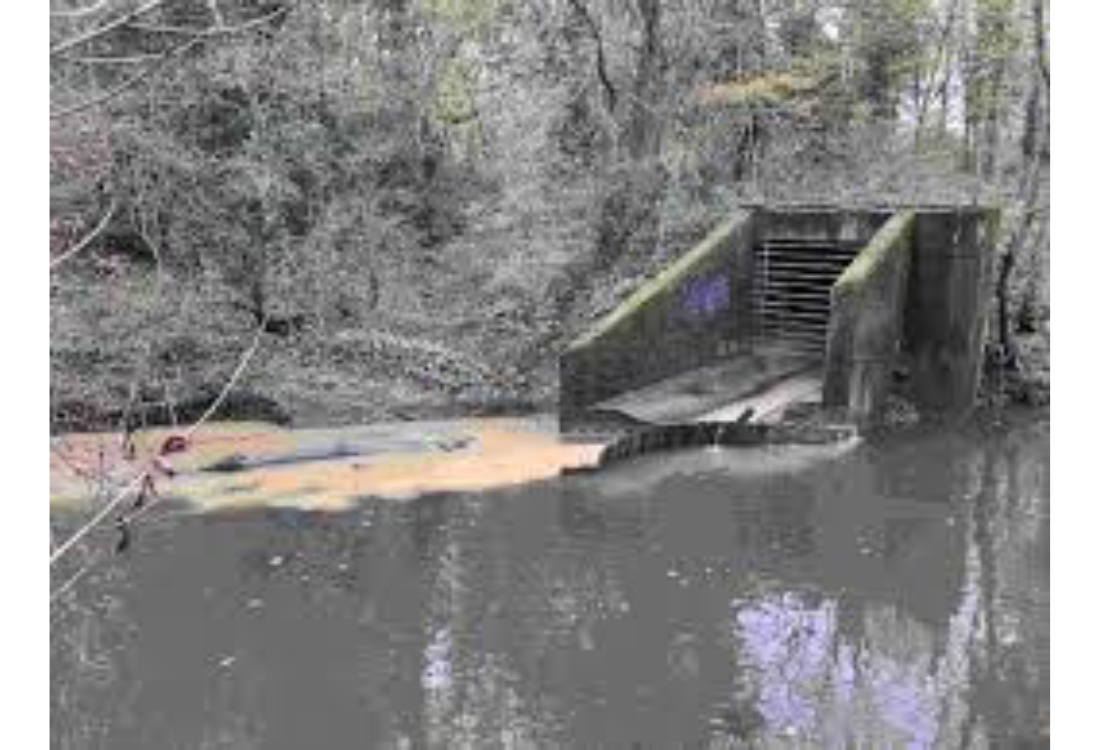
Combined Sewer Overflows (CSOs) are relief mechanisms that prevent sewer backups and urban flooding by discharging excess sewage and stormwater into a water course. This action reduces network pressure, enabling the sewer to return to its normal state, or Dry Weather Flow (DWF). Overflows are triggered by intense storm events or network flow restrictions caused by blockages (e.g., fat, non-flushable products) or tree root infiltration.
In this article, we look at the crucial role of combined sewer overflows as part of a modern sewage management solution.
What Are Combined Sewer Overflows?
The UK's combined sewage system, largely a 19th-century network, funnels all wastewater—from rainwater to sewage—through a single pipe system to treatment plants. While generally effective at DWF periods, heavy rainfall (like in 2024) can overwhelm the sewer network system, risking floods in homes, road sides and even at Water Company treatment plants. Combined Sewer Overflows (CSOs) act as safety valves, diverting excess sewage to alternative designated outlets to prevent this.
The Environmental Impact Of Combined Sewer Overflows
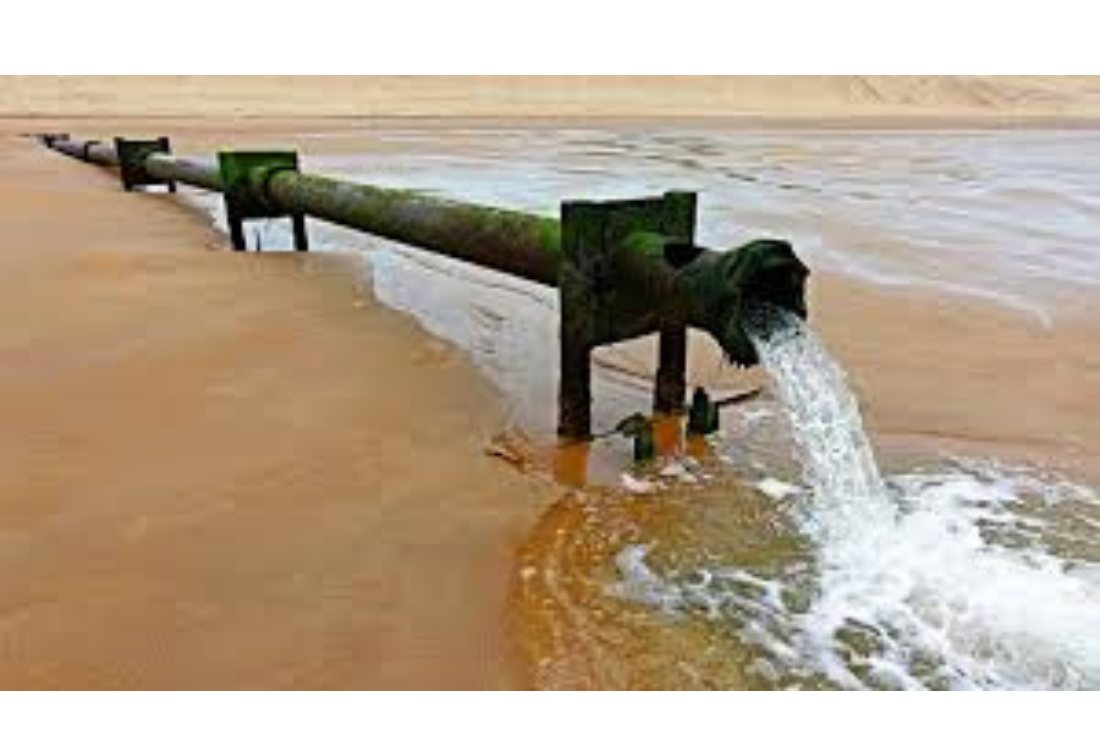
Recently, CSO’s have become increasingly highlighted as conduits resulting in negative environmental consequences. Environmental advocacy groups (such as RiverAction) have become more aware of the impact CSOs have on the environment and specifically the rivers, beaches and seas. In April 2023, for example, an analysis of Environment Agency data published in the Guardian reported 45 sewage spills on Brighton beach in 2022, over the course of more than 107 hours, while the popular Blackpool Sands beach in Stoke Fleming, Devon, experienced 63 sewage spills lasting 1014 hours.
A microbiological study published in September 2023 suggested that the discharge from combined sewer overflows contained about 5% sewage content by volume on average. Clearly, these spillages have a wide range of potential public health and environmental implications and highlight a long-standing deficiency in the UK’s public sewage management infrastructure.
However, the Environment Agency has been at pains to point out their work investigating overflows, with 40 overflows set to be improved by the end of 2025, and stiff requirements on water companies to invest more in environmental improvements and safeguards. While recognising the positive improvements made by water and sewerage companies to improve water quality and amenities, the Agency recognised that more work was left to be done.
Factors that Influence CSO Performance
Ideally, all sewage and storm water would flow directly to the water treatment works for processing and safe environmental disposal. When flow exceeds capacity, Combined Sewer Overflow (CSO) screens are deployed to prevent sewage solids from entering the environment. The screen allows excess liquid effluent to pass into the swollen water course, aiding in the dilution and dispersal of contaminants. However, if the CSO screen becomes blocked, it is rendered completely ineffective, allowing raw sewage solids and litter to flow into the discharge. This visible sewage litter—often seen hanging from river bank vegetation after a storm—has a significant negative visual and environmental impact.
Keeping the CSO Screen Operating Effectively
If the CSO screen performance is totally dependent on keeping the screen filter clear for as much as and as long as possible. There have been a number of designs/solutions on the market, some more effective than others. At Samatrix, we have developed the innovative Norag CSO system as a practical and cost-effective solution to one of the major challenges facing the water industry. Focusing on improving the effectiveness and operational life of the CSO screen.
Norag not only improves the CSO screen performance, but it also by design, induces the screen litter that would normally impact the screen and directs it back into the sewer main to go forward to the treatment works.
By actively managing overflows throughout a water network, Norag CSO helps utilities companies to reduce the discharge of sewage litter into the water courses, protecting ecosystems and strengthening water quality. At the same time, the system provides a strong safeguard against urban flooding, with a more sustainable way of handling excess water during heavy rainfall and peak flow events. Investing in the system can help water companies keep in step with developing environmental regulations and the investment requirements set by Ofwat and other bodies.
What Next?
For information about the combined sewer overflow solutions we offer at Samatrix and how we can support your utilities operation, please get in touch with one of our specialists today by clicking here or by calling 01792 949586.
What Is A Combined Sewer Overflow CSO?
6 Essential Solutions to Combat Combined Sewer Overflow Problems