.png?width=749&height=158&name=Samatrix+Logo%20(1).png "Samatrix Logo")

.png?width=400&height=84&name=Samatrix+Logo%20(1).png)
Water is both a foundational element of life and key economic resource. From agriculture to local businesses, and from managed ecosystems to urban centres, clean water underpins human health and prosperity. However, one of the most pervasive and under-understood drivers of contaminated water systems in the UK is sewage and wastewater.
What exactly happens when these waste products enter natural water sources, and how do we translate technical understanding into practical and scalable waste management solutions?
In this article, we look at the mechanisms, consequences, and – importantly – the solutions to sewage pollution as they impact the utilities management sector.
Sewage and wastewater: what they are and why they matter
‘Sewage and wastewater’ refer to water that has previously been used in homes, businesses, or industrial processes, carrying with it organic matter, chemicals, and microorganisms. In practice, of course, the level of contamination varies widely by source – which is why discharge is frequently treated in two categories; grey water, with minimal to moderate contamination levels, and black water that has been directly contaminated with human waste products or harmful chemicals.
Wastewater includes domestic effluent from toilets, dishwashers, and showers, as well as industrial discharge, stormwater run-off, and other liquid wastes. Before treatment, this mixture is often heavily laden with contaminants that can seriously degrade water quality without treatment.
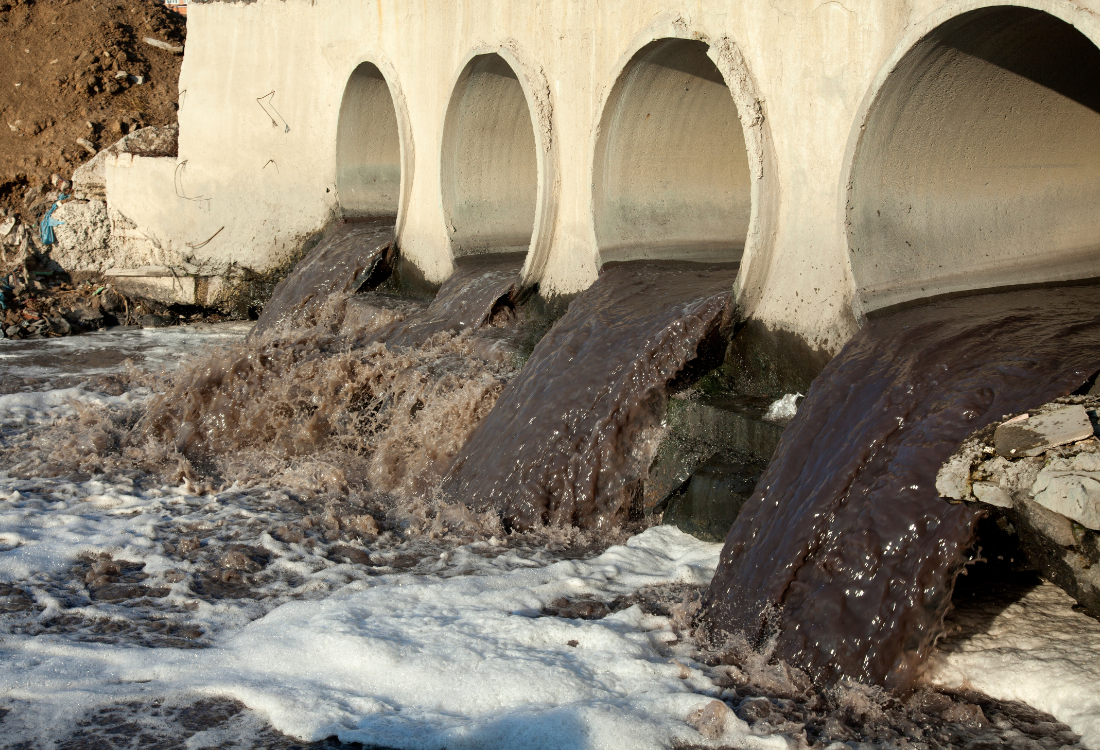
When sewage enters a river, lake, or the sea without adequate treatment, or when treatment processes fail, the result is water pollution: water that is less safe for human consumption, ecologically damaging, and harmful to aquatic life and biodiversity.
How Does Sewage And Wastewater Cause Water Pollution?
To grasp why sewage is such a potent pollutant, let’s look at what’s in it and how these components interact with natural systems:
- Organic matter and oxygen demand: sewage typically contains high concentrations of organic matter, derived from human waste, food particles and biodegradable products. When these organics enter a water source, natural bacteria begin decomposing them. This decomposition process consumes soluble oxygen in the water. A sharp increase in oxygen demand can lead to hypoxia, which is when oxygen levels drop so low that fish and other aerobic organisms cannot survive. This can create so-called ‘dead zones’ where aquatic ecosystems collapse because there simply isn’t enough oxygen to sustain them.
- Nutrients and eutrophication: wastewater is rich in nutrients, particularly nitrogen and phosphorus derived from agricultural fertiliser run-off. These nutrients are essential for plant growth, but when excessive quantities accumulate in water bodies, they can trigger a process called eutrophication. Eutrophication promotes explosive growth of algae and phytoplankton, and while this initially looks like driving biodiversity, it quickly becomes destructive. Dense algae blooms block sunlight, disrupt photosynthesis in submerged vegetation, and eventually die off, further depleting oxygen as bacteria break down the bloom biomass. The outcome is oxygen depletion and eventual ecosystem collapse.
- Pathogens and public health risks: human sewage carries a range of pathogenic (disease-causing) microorganisms, including bacteria, viruses, and protozoa that originate in the intestines. When these microorganisms contaminate public water sources, they pose a significant health risk for any people who swim in, consume, or otherwise contact the water. Examples include gastrointestinal diseases, hepatitis, and typhoid.
- Chemical contaminants: wastewater also contains a variety of synthetic compounds, such as chemical detergents, medicines dissolved in urine, chlorine, heavy metals from industrial processes, and other commercial effluents. These compounds can be toxic and persistent, resisting natural breakdown in the environment. Emerging contaminants such as micro-plastics and so-called ‘forever chemicals’ have also been found in rivers and soils in parts of the UK, entering the food chain and potentially affecting human and ecological health.
- Habit degradation and biodiversity loss: the combined impact of oxygen depletion, nutrient overloading, and contamination lead to habitat degradation. Sensitive freshwater fish species, amphibians, and insects all decline as water quality deteriorates. Even when wastewater is treated, residual pollutants often remain at levels high enough to affect sensitive ecosystems.
What Are The Effects Of Sewage Water Pollution?
Understanding the mechanisms of pollution is essential, but the real implication unfolds downstream – both literally and figuratively. Let’s look at the impact.
Ecological costs
- Oxygen depletion – as described, organic load and eutrophication lower the available oxygen, leading to loss of biodiversity
- Algae blooms – harmful algae blooms reduce water clarity, produce toxins, and disrupt food webs
- Altered ecosystem structure – some organisms thrive in polluted conditions (e.g. sewage fungus and tolerant invertebrates), outcompeting native species and reducing biodiversity
- Impaired resilience to climate change – polluted waters have reduced the resilience of some ecosystems to climate stressors. For instance, contaminated coastal wetlands are less effective at buffeting storms, leading to broader ecosystem and community vulnerability.
Health and economic costs
- Waterborne diseases – contaminated recreational waters and poorly treated drinking sources increase the risk of illness
- Recreation and tourism – polluted beaches, lakes, waterways deter tourism from seaside and natural locations
- Agricultural damage – irrigation with polluted water can deplete crop quality and introduce contaminants into the food. Evidence suggests that chemical pollutants in sewage can accumulate in farmland where sludge is applied as a fertiliser.
So, What Are The Solutions To Sewage Pollution?
Addressing water pollution from sewage and wastewater is not a straightforward task. However, a combination of technological innovation and systemic policy action can help mitigate risk and, in many cases, reverse environmental and economic damage.
- Upgrade water treatment infrastructure: investing in advanced treatment plants that remove nutrients more effectively is a crucial facet of wastewater management. Upgrades can include tertiary treatment stages that target nitrogen, phosphorus, and micro-pollutants.
- Regulating and monitoring discharge: robust regulatory and best practice frameworks help ensure that wastewater discharges meet strict water quality standards. Monitoring and reporting systems help to detect overflows or treatment failures quickly, reducing environmental harm.
- Investing in nature: restoring wetlands, increasing green spaces in towns and new developments, and implementing buffer zones around high-risk areas can naturally intercept and filter run-off before it enters sewer systems and water bodies. In particular, wetlands act as biologically active filters, absorbing nutrients and sediments while supporting local biodiversity.
- Reducing storm overflows: in many urban sewage systems, the heavy rainfall now common in the UK over winter can overwhelm sewers, forcing untreated sewage into waterways. Solutions include separating stormwater from sanitary systems, installing storage tanks to reduce the overflow risk, and using sustainable drainage systems (SUDS) to reduce peak flow rates.
- Public outreach and engagement: individuals and businesses can reduce pollutant loads by minimising the use of harmful cleaning chemicals, properly disposing of waste, and supporting local water quality initiatives. Citizen reporting and data collection can also drive greater accountability and public awareness.
- Policy and investment: government plays a central role in water quality across the UK. However, regulatory enforcement requires consistent and targeted funding to make sure that the nation’s wastewater treatment infrastructure is up-to-date and fit for purpose. Policies that address pollution prevention upstream – such as restricting harmful chemicals and incentivising pollution control at the grassroots – will amplify the long-term effectiveness of any state-initiated policy.
Integrating Science, Practice, And Purpose
The question ‘how does sewage and wastewater cause water pollution?’ is technically rich but also profoundly practical. It is a question about systems – both biological and engineered – and about practices at a societal and individual level. Untreated or poorly treated sewage doesn’t just contaminate water; it also destabilises ecosystems, endangers human health, and imposes steep economic costs. Yet the science also shows that solutions are within reach. Through infrastructure investment, popularly-supported regulation, innovation by businesses and utilities companies, and community engagement, waterways and the life they sustain can be protected.
Next Steps
At Samatrix, we provide advanced environmental monitoring and data driven water management solutions to help businesses detect, measure, and mitigate sewage pollution across their network. If you’d like to find out more about our services and how we can help, please call 01792 949484 or click here to send us a message
How To Stop Sewage Pollution?
Sewage Pollution Prevention: Causes, Effects On The Environment