.png?width=749&height=158&name=Samatrix+Logo%20(1).png "Samatrix Logo")

.png?width=400&height=84&name=Samatrix+Logo%20(1).png)
Sewage pollution is an active issue in many of the UK’s public waterways, including rivers and coastal areas. In this article, we look at the effects of sewage pollution on the environment and how we can reduce sewage pollution through smart wastewater management techniques, water quality monitoring, and targeted investment in infrastructure.
Understanding Sewage Pollution: The Effects Of Sewage Pollution On The Environment
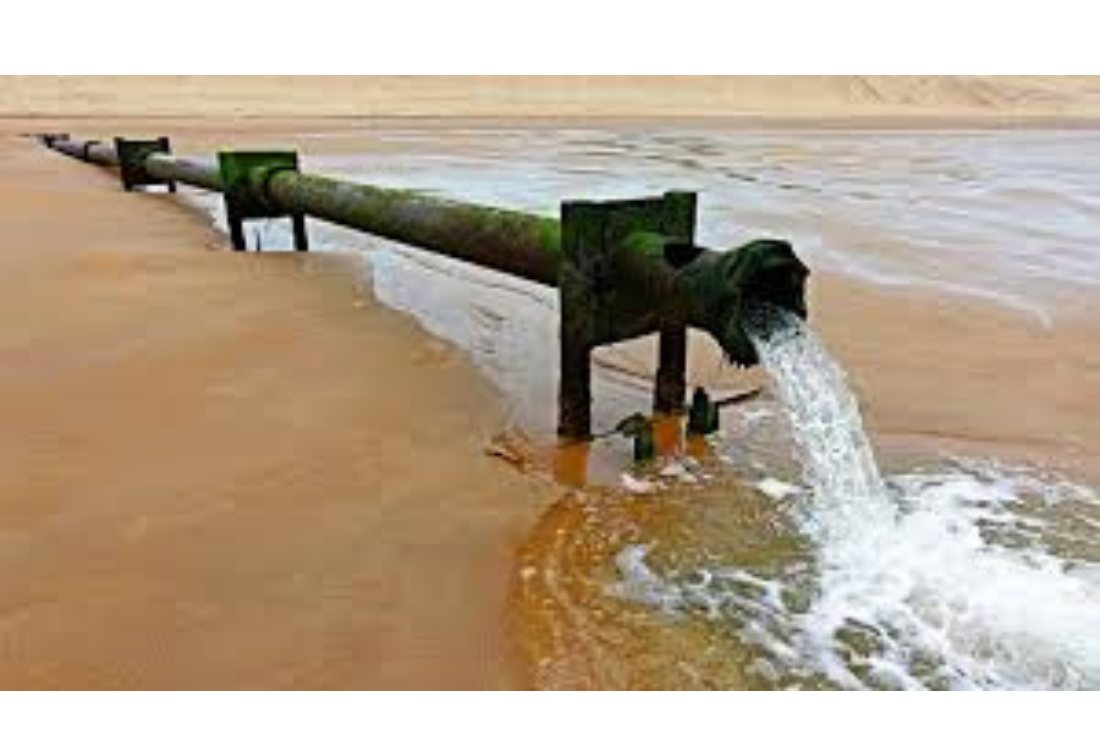
Sewage pollution, while often invisible, can pose a significant threat to human and animal health, water safety, local agriculture, and aquatic ecosystems. It's becoming more commonplace to see visible amounts of untreated raw sewage in British waterways. Sewage pollution can arise whenever untreated or inadequately treated wastewater enters a river, lake, or public waterway.
Sewage pollution is harmful because this wastewater frequently contains high volumes of agricultural nutrients and fertilisers, pathogens, chemical contaminants, and organic material that can either directly pose a risk to human health or upset the balance of sensitive ecosystems. Chemicals and micro-plastics in wastewater can also be taken up by crops through soil and groundwater supplies, and thereby enter the food chain, where they have been linked to a wide range of physical and mental health conditions. The impact on ecosystems from excess phosphorus and nitrogen (common farming nutrients found in untreated sewage) can be significant, promoting algal blooms and causing eutrophication in water bodies. This has the potential to deplete the oxygen levels of the water, creating ‘dead zones’ for aquatic species and plants.
Pathogens in untreated sewage are capable of causing outbreaks of Hepatitis A, gastrointestinal infections, or Weil’s Disease if they enter a drinking water source.
Water Quality Monitoring And Why It Is Important
Water quality monitoring is, therefore, an important pollution management and risk mitigation strategy, helping water management companies, local authorities, and other stakeholders to identify pollution sources and evaluate the correct remediative actions. Regular water monitoring allows the rapid identification of contaminated water sources or treatment plants before they cause environmental harm, allowing a rapid and effective response. Regular monitoring and analysis also help stakeholders to strengthen and improve their existing processes in a continual feedback loop.
Water Conservation – How Can Water Companies Help Prevent Sewage Pollution?
Water utilities companies play a key role in monitoring water quality and preventing sewage pollution, and there are various conservation techniques and infrastructure improvements available to help them do so. For example, much of the UK’s combined sewage network is old and in need of repair, with many urban pipes still in use from the Victorian era. Modernising sewage systems by replacing and upgrading ageing pipes and treatment plants is a good way of preventing leaks and overflows.
Many modern water treatment systems use smart monitoring sensors to actively detect blockages, unequal flow rates, leaks, or overflow risks at an early stage, facilitating quick interventions before a breach occurs. At the same time, public education and awareness has a part to play in reducing sewage pollution, for example by educating people about the risks of flushing wet wipes, nappies, and hygiene products into the public sewer. These products often do not easily decompose, and clog up and restrict the flow within key pipes in urban areas. This could increase the risk of overflows, flooding, and pollution events following heavy rainfall.
Sewage pollution solutions from Samatrix
At Samatrix, we offer a range of practical sewage pollution solutions for water companies, centred on proactive maintenance and modern sewage treatment and disposal processes. To find out more or to request a quote, please click here to message one of our specialists.
6 Essential Solutions to Combat Combined Sewer Overflow Problems
WIA Update