.png?width=749&height=158&name=Samatrix+Logo%20(1).png "Samatrix Logo")

.png?width=400&height=84&name=Samatrix+Logo%20(1).png)
If there is any consensus to come out of the growing conversation about river and coastal water quality in the UK, it is that there is no quick fix to sewage pollution. Water contamination is a long-term challenge rooted in climate change, rapid population growth, urbanisation, and other systemic trends. While the problem may be complex, progress towards a solution is possible, and it starts with understanding how sewage causes water pollution and the many fronts on which prevention must occur.
Sewage enters rivers, lakes, wetlands, and coastal environments through various means, including storm overflows, accidental releases, pipework failures, or overwhelmed systems during heavy rainfall. When this contaminated water reaches the environment, the effects range from reduced oxygen levels and harmful algal blooms to biodiversity loss and increased health risks for the communities using those waters. Reducing pollution, therefore, requires action on multiple fronts: infrastructural, operational, personal, community, and governmental.
So, if we are asking ‘how to stop sewage pollution’, where do we begin?
Start With The Reality: Long-Term Infrastructure Requires Long-Term Investments
Throughout the UK, wastewater networks include thousands of miles of Victorian-era pipes and combined sewer systems, designed for a country with fewer people and far less hard-surfaced land. Regular heavy rainfall and unpredictable weather patterns now overwhelm the system more frequently than before, leading to storm overflow discharges that carry untreated sewage into waterways.
Water companies, environmental organisations, and regulators all agree that major upgrades to storage, pipe networks, treatment capacity, and monitoring systems are long overdue. Unfortunately, this is not something that can be fixed overnight, regardless of the billions invested.
Acknowledging the scale of the challenge helps set public expectations, making sustained improvements and meaningful change more likely. Addressing these infrastructure gaps will take time, planning, and long-term investment rather than quick fixes—and this is as much a matter of advocacy and education as it is financial resources.
Strengthen Monitoring And Transparency
One of the biggest shifts of the 2020s has been the expansion of monitoring in the water network, making overflow and treatment performance more visible to the public. Charities such as The Rivers Trust provide accessible maps showing where sewage is discharged, helping communities understand local water quality.
Increased transparency encourages accountability and informed decision-making among stakeholders and management organisations, while also helping regulators prioritise areas with the most urgent environmental needs. Improving monitoring systems does not stop pollution on its own, but it prevents the issue from being hidden and helps sustain the pressure for progress.
Reduce What Goes Into The System In The First Place
Part of preventing sewage pollution is reducing the load placed on wastewater networks. This includes:
- Stopping the flushing of wipes and other products that cause blockages.
- Reducing the volume of household fats and oils entering kitchen drains.
- Diverting clean rainwater from sewers using water butts, rainwater harvesting systems, and permeable surfaces.
All real long-term change starts with a shift in public habits. Small behavioural changes, adopted widely, have the potential to significantly ease pressure on sewerage systems, particularly during storms. These actions do not replace infrastructure upgrades, nor do they remove culpability from water management companies, but they help the system cope better day-to-day.
Promoting Greener And More Resilient Land Use
Hard surfaces like roads and housing estates increase urban run-off, overwhelming sewers during rainfall. Sustainable Drainage Systems address this by prioritising separate storm and sewer systems in new developments. This prevents cross-contamination and encourages rainwater harvesting for greywater use.
A key engineered solution is the use of attenuation ponds. These act as temporary storage basins that capture peak storm flow, releasing it at a controlled rate to prevent downstream flooding. When combined with nature-based features like rain gardens, swales, and green roofs, these systems slow and filter water before it reaches the network. This layered approach reduces overflow pressure and supports healthier, more resilient waterways.
What Next?
If you are concerned about the effects of sewage pollution on the environment and would like to find out more about your options, please contact one of the specialists at Samatrix today by clicking here.
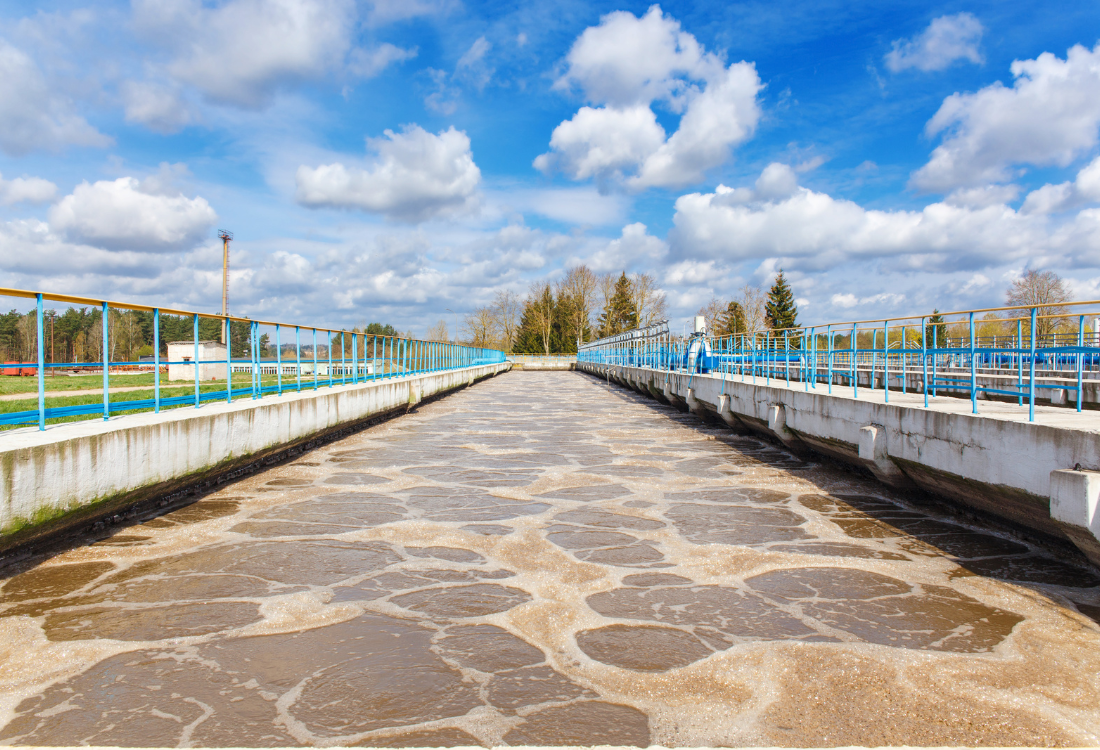
Implementing Sewage Pollution Reduction Methods
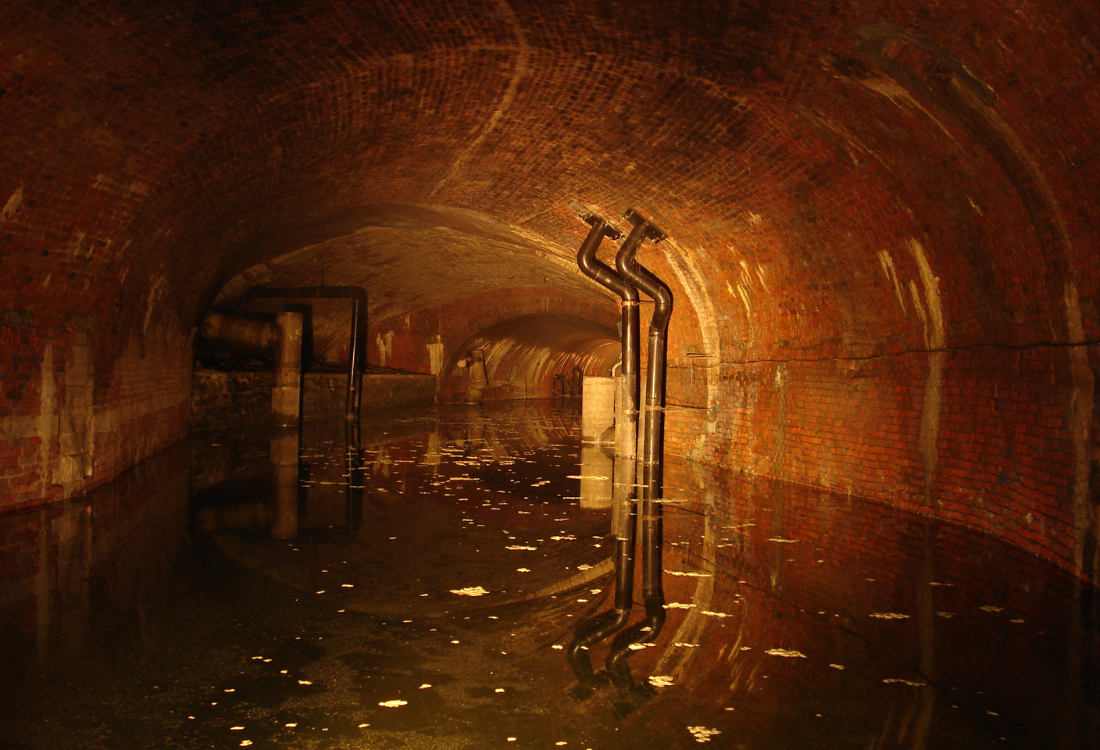
Options For Pollution Reduction Methods For Sewers