

5 Tips For Sewage Pump Preventive Maintenance
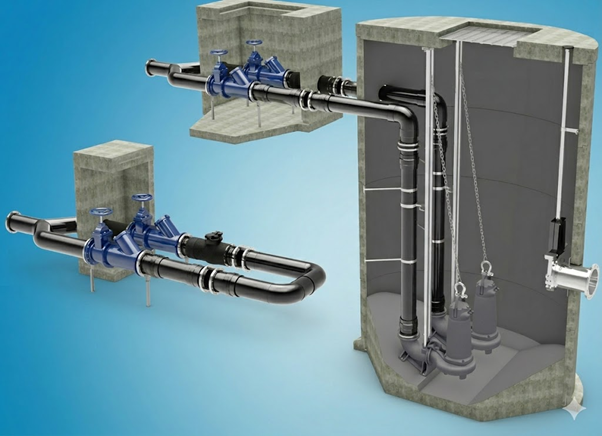
Sewage pumps are the unseen workhorses of modern wastewater infrastructure, keeping homes, commercial buildings, and public systems functioning safely by transporting wastewater from collection points to treatment and discharge locations. Yet the extreme environments that these pumps operate in place them at continual risk of clogging, corrosion, overheating, and mechanical failure. For facility operators and infrastructure managers, therefore, the question is not whether a pump will fail at some point, but when. Unless, that is, strategic and proactive measures are taken. This is why a sewage pump preventive maintenance strategy is essential. Regular maintenance not only extends asset life, but also reduces downtime and helps prevent environmental hazards – as well as protecting your long-term capital investment.
In this article, we look at five foundational practices that every organisation should adopt to strengthen their operational resilience.
Tip One: Conduct Scheduled Inspections To Spot Early Warning Signs
Why regular inspections matter?
Routine inspections are the backbone of any effective sewage pump preventive maintenance programme because most pump failures develop gradually. A structured inspection strategy will help uncover subtle performance changes before they escalate into a mechanical fault. When operators take the time to examine the pump casings, for instance, listen for unusual sounds, and observe temperature and vibration patterns, they can often detect the tell-tale signs of wear such as leaks, motor strain, and impeller imbalance.
What inspections should include?
As well as your visual and mechanical checks, electrical performance reviews are another key part of pump maintenance. Check the operation of float switches, relays, alarms, and wiring systems to make sure they function consistently over time. Flow rates, amp draw, and duty cycles are good metrics to monitor, as these provide direct insight into your system load and overall health. Even slight deviations within these metrics can signal internal blockages or fatigue in important components, so by catching these issues early, you can often address problems during planned maintenance windows instead of having to respond to emergency sewage pump repair scenarios.
Tip Two: Keep Your Pumps Clean And Manage Debris Before It Enters The System
The impact of debris on pump performance
Accumulated debris is one of the most common causes of pump failure, and the frustrating thing is that it rarely happens overnight, instead building up gradually over months or even years. Despite being engineered to handle soluble solids, sewage pumps are still vulnerable to the progressive buildup of nappy wipes, sanitary towels, cooking fats, and fibrous materials that wrap around the impeller blade or obstruct the volute. When the debris reaches critical mass, hydraulic efficiency drops, the motor is forced to work harder, and the entire system becomes stressed. Over time, this can lead to overheating, excess vibrations, and premature wear.
Maintaining a clean pumping environment
Maintaining a clean pump is, therefore, a foundation stone of sewage pump preventive maintenance. Regular cleaning prevents compacted debris from forming stubborn obstructions, improving your flow and reducing strain on mechanical components. It’s even more beneficial to address any upstream issues before they reach the pump; particularly grease discharge from commercial kitchens. This can significantly reduce the risk of clogging. Clean pumps typically operate more efficiently for longer, consuming less energy and requiring fewer emergency interventions.
Tip Three: Lubricate, Replace, And Adjust Components Proactively
Why moving parts deserve special attention?
A sewage pump’s reliability and efficiency are strongly influenced by the condition of its moving components; especially its seals, bearings, and impellers. These crucial components endure constant stress from abrasive wastewater and suspended solids, making proactive servicing an essential means of preventing damage. In particular, lubricating the bearings according to the manufacturer’s guidelines will help mitigate friction-related failures. However, technicians must balance lubrication levels carefully to avoid over-greasing, which can also cause premature damage.
Staying one step ahead of component wear
Mechanical seals are an especially critical part of the maintenance programme, as these components prevent wastewater from entering the pump motor housing. If the seals deteriorate, water will enter and you’re more likely to experience sudden pump failure. The impeller should also be checked regularly for chips, cracks, and any visible signs of erosion – all common culprits for causing imbalanced operations. Restoring the correct shaft alignment during sewage pump servicing will also help reduce wear and tear on your bearings and motor assemblies. Ultimately, by replacing components proactively, rather than whenever they fail, it will be easier to stabilise system performance long-term and avoid unplanned sewage pump repairs.
Tip Four: Test Pump Operation Under Load And Verify Your System Controls
Assessing performance under real-world conditions
Unfortunately, visual inspections alone aren’t sufficient to determine whether or not a pump is truly healthy. Operational testing under load gives you greater clarity, so part of your maintenance schedule should include running the pump through a full cycle so that your engineers can observe start-up behaviour, flow rate, shutdown responsiveness, and heat generation. A pump that struggles to start, pump slowly, or overheats may have hidden mechanical or electrical constraints that are worth investigating further.
Do your sensors and controls work reliably?
Equally important as testing under load is verifying that your system controls activate exactly when and as they should. These devices, which include your float switches, pressure sensors, and alarms, protect the pump against dry running, overflow, and burnout: three of the most damaging failure scenarios. The pump control panel should be reviewed for log entries, error codes, and any irregularities that could indicate deeper issues.
Tip Five: Implement A Proactive Maintenance Schedule And Keep Detailed Records
The value of a structured maintenance strategy
Preventive maintenance only succeeds when it is systematic. If it is not, all it does is replace components at random intervals whether or not they pose a failure risk – while often missing the genuine signs of shutdown risk. Maintenance should, therefore, be both proactive and evidence-based. Monthly visual checks, quarterly mechanical inspections, and annual shutdowns will give you an ongoing picture of performance, but you should also take advantage of the insight provided by the networked sensors now available. These record a range of metrics in real time that allow you to schedule ad hoc inspections, lubrications, cleaning, and part replacements at the right intervals, rather than allowing them to be triggered by failures. This deep servicing approach helps create a balanced strategy that keeps your pumping assets working reliably under load conditions.
Using documentation to strengthen long-term reliability
Why is documentation important to a maintenance strategy? Keeping detailed logs of all your maintenance findings, operating hours, alarm incidents, component replacements, operational metrics and engineer observations gives you an evolving dataset through which to spot trends and anticipate issues before they become failures. Over time, this knowledge base will inform your predictive maintenance planning, reducing reliance on emergency callouts. Partnering with a specialist engineering service for your sewage pump preventive maintenance, such as Samatrix, gives you an additional layer of assurance. Our team can often uncover hidden vulnerabilities in your systems and minimise the risk of disruptive downtime.
Why Preventive Maintenance Matters More Than Ever?
Sewage pumps are indispensable assets for utilities organisations, and maintaining them proactively is the key to reliable wastewater management. Unfortunately, as wastewater loads increase due to urbanisation, new housing developments, climate pressures, and expanding commercial activity, sewage pumps face harsher working conditions than ever before.
Continuous cycling, increasing debris levels, and ageing infrastructure all contribute to higher failure rates when maintenance is neglected. This makes sewage pump preventive maintenance a strategic investment in your capital infrastructure, operational uptime, and environmental compliance, as well as a technical necessity.
Find out more
If you’d like to find out more about our services and how we can increase the reliability and efficiency of your sewage pumping assets, please contact Samatrix today by clicking here.

Image Source: Google