.png?width=749&height=158&name=Samatrix+Logo%20(1).png "Samatrix Logo")

.png?width=400&height=84&name=Samatrix+Logo%20(1).png)
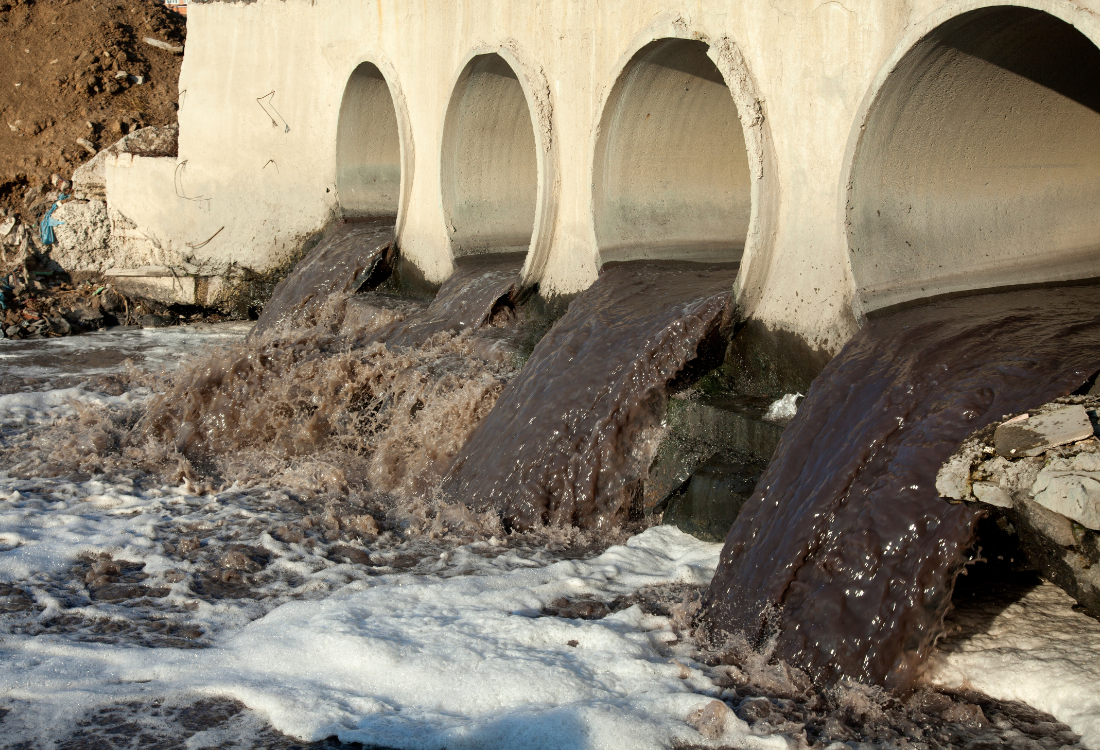
Sewage pollution prevention measures operate within the same structural conditions that produce pollution in the first place. Combined sewer systems, treatment capacity limits, and regulated discharge mechanisms mean that sewage pollution can be reduced, but it cannot be completely prevented in all situations. Even with better infrastructure, stricter rules, and improved treatment systems, there will still be times, like heavy rainfall or system overload – when some sewage is released. Prevention focuses on making it happen less often and with less impact, not eliminating it entirely.

This shifts the focus from isolated interventions to a layered approach. Infrastructure, treatment processes, regulatory frameworks, and local behaviours each influence how and when sewage enters the environment. So, what are the best ways to prevent sewage pollution in this context?
The Environmental Effects Of Sewage Pollution
Untreated or partially treated wastewater introduces a mix of nutrients, organic matter, and pathogens into natural water systems. One immediate effect of this is oxygen depletion. As organic material breaks down, it consumes dissolved oxygen, creating conditions that can lead to fish mortality and reduced aquatic biodiversity.
Alongside this is nutrient loading from organic waste, particularly nitrogen and phosphorus, driving eutrophication, and accelerating algal growth in rivers and coastal waters. Water normally contains small amounts of nutrients that plants and algae need to grow. But when extra nutrients come in – often from sewage, fertilisers, or runoff – it’s like over-fertilising the water.
This disrupts the ecological balance and can produce secondary harms such as toxin release and habitat degradation. Pathogens from sewage pose another risk. Bacteria and viruses from livestock and human faeces can persist in water bodies, affecting both wildlife and human health, particularly in areas used for recreation. Repeated discharges create cumulative pressure on aquatic ecosystems, reducing their capacity to recover between incidents.
So, how can we prevent sewage pollution?
1. Infrastructure-led prevention
One of the most potent ways to reduce sewage pollution is to change how water moves through the system. This usually means increasing capacity or controlling flow. For example, storage tanks can hold excess water during heavy rain, so instead of immediately releasing overflow into rivers, the system can store it and send it for treatment later. In simple terms, this gives the system more time to cope with sudden surges.
Another option is separating rainwater from sewage pipes. Currently, in many areas, both flow through the same network. When it rains heavily, the system fills up quickly. Separating them reduces that pressure. However, this involves major construction work, making it slow and expensive to implement at scale. Large engineering projects can also intercept and redirect overflow before it reaches waterways. These can significantly reduce discharge in specific locations, but they take years to build and require substantial capital outlay. As a result, infrastructure improvements tend to reduce the problem gradually rather than all at once
2. Treatment system improvements
Enhancing sewage treatment systems offers another route to reducing environmental impact. Upgrades to tertiary treatment processes can improve the removal efficiency of nutrients and pathogens, lowering the ecological burden of discharged effluent.
However, these improvements come with inevitable trade-offs. Advanced treatment technologies increase energy demand and operational complexity, raising treatment costs for operators. They also do not address volume-related issues; during high-flow conditions, treatment plants may still be bypassed or supplemented by overflow systems. This is why treatment improvements can help reduce harm, but cannot prevent all pollution on their own.
3. Community and behavioural prevention
At a local level, behavioural changes can also reduce avoidable strain on wastewater systems. Reducing the inappropriate disposal of fats, oils, and non-flushable materials, for instance, helps maintain flow capacity and reduces the blockages that contribute to overflow risk. Active surface water management, such as reducing runoff from paved areas by means of green spaces and planting around new housing developments, can also limit pressure during heavy rainfall. Community-led initiatives often focus on these practical steps, aiming to minimise additional load entering already constrained systems.
The impact of these local-level actions is often limited in scale. They address marginal pressures rather than structural capacity issues, but taken together, are one of the few areas where immediate reduction is achievable without large capital investment.
What Next?
Sewage pollution prevention depends on small technical details as much as large infrastructure decisions, how flows are managed, where capacity is lost, and what happens at peak load. At Samatrix, we help operators address these points of friction, building greater safety and resilience into their water treatment networks. To find out more, please call 01792 949484, or send us a message by clicking here.
Image Source: Freepik
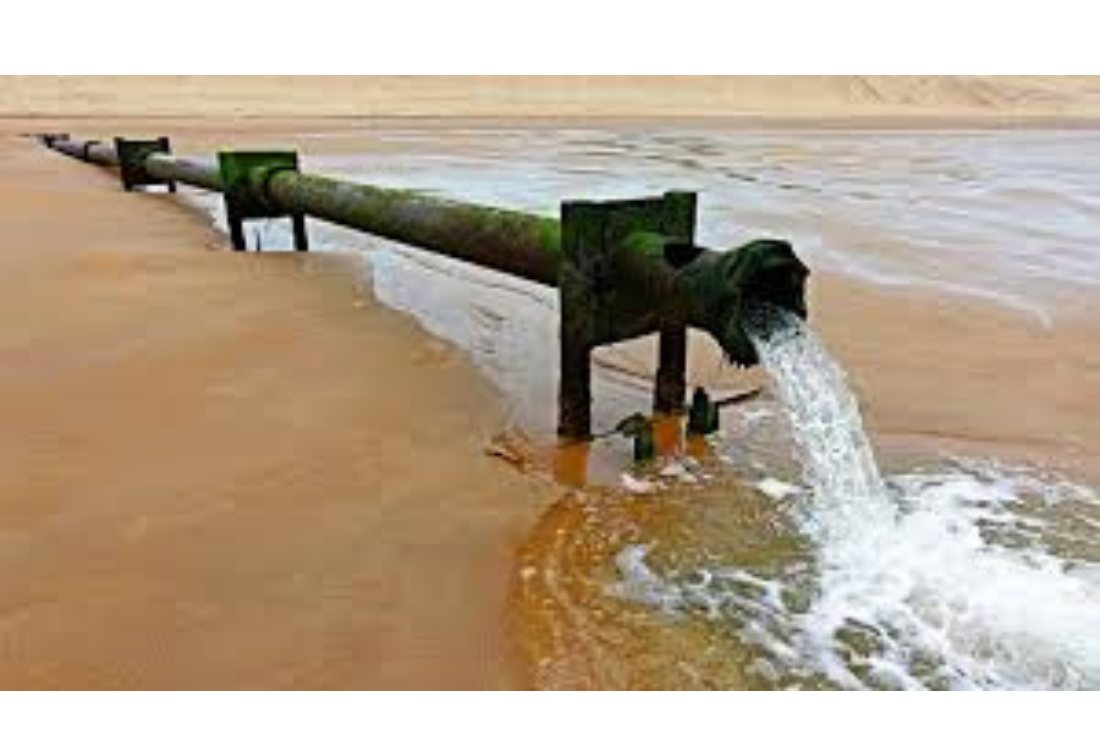
6 Essential Solutions to Combat Combined Sewer Overflow Problems
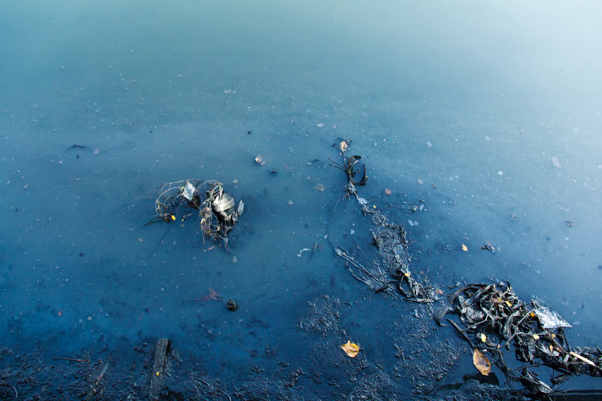
What Is The Link Between Storm Overflows And Sewage Water Pollution?