.png?width=749&height=158&name=Samatrix+Logo%20(1).png "Samatrix Logo")

.png?width=400&height=84&name=Samatrix+Logo%20(1).png)
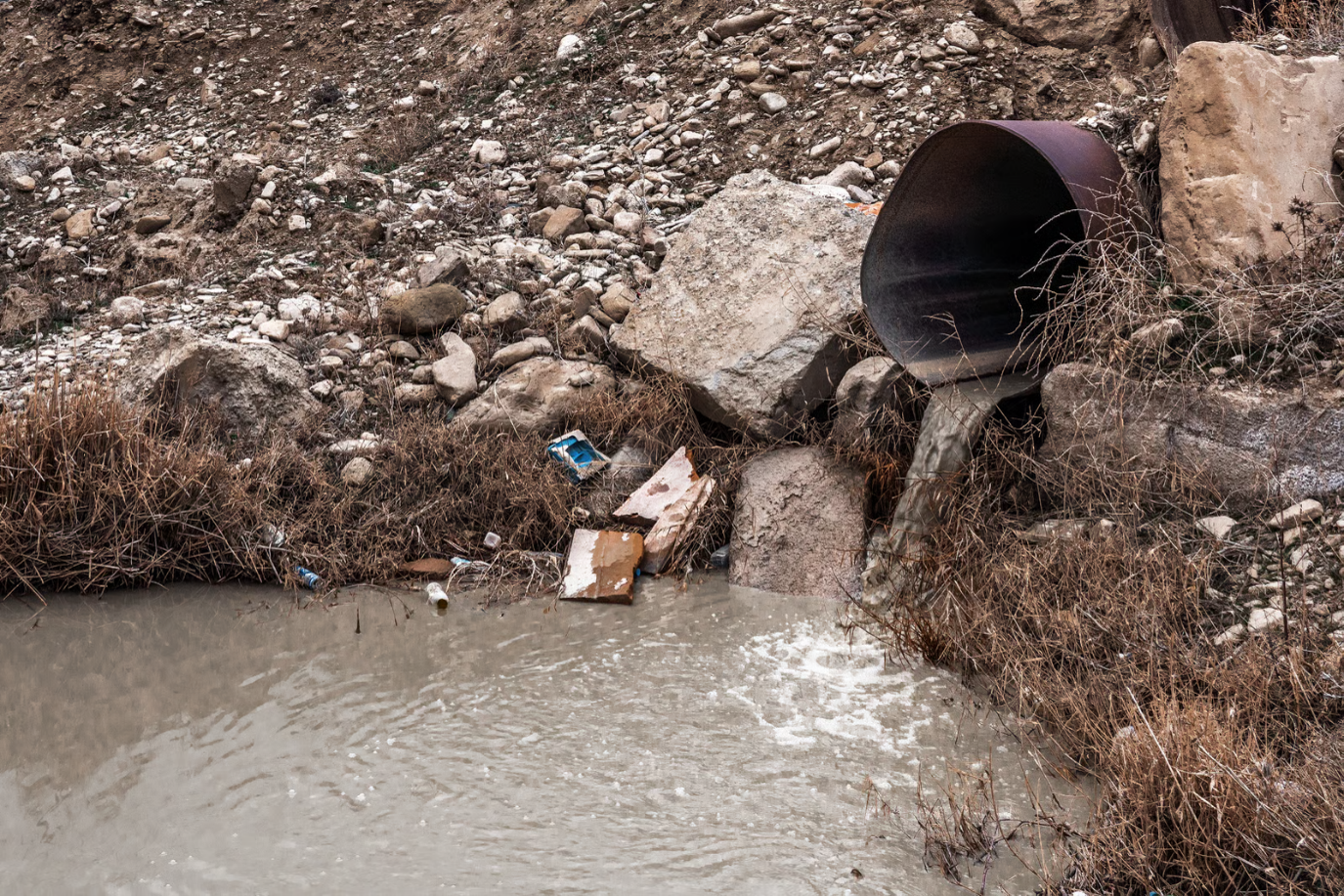
Periods of intense rainfall are becoming more frequent across the UK, placing pressure on infrastructure that was designed for the lower population and more predictable weather of the 19th Century, not today’s climatic conditions. Nowhere is this more evident than in combined sewer systems, in which stormwater and wastewater share the same network. Combined sewer overflows (CSOs) were introduced as a pragmatic solution within this design: a controlled release mechanism to prevent the system from becoming overwhelmed.

As Ofwat explains, CSOs are intended to operate during heavy rainfall, discharging diluted wastewater into watercourses when capacity is exceeded. The principle is straightforward: protect homes and streets from flooding by allowing excess flow to bypass treatment works. This is straightforward in theory, but less so in practice. The challenge is that the conditions under which these systems were designed are no longer the conditions they now operate in.
How combined sewer overflow design responds to storm events?
Combined sewer overflow design reflects a balance between hydraulic capacity and public protection. In dry weather, wastewater is conveyed to treatment facilities as expected. During unexpectedly heavy rainfall, however, the volume of water entering the system increases rapidly, often far beyond what treatment infrastructure can process in real time.
CSOs act as pressure relief points. According to Yorkshire Water, CSOs are engineered to discharge only when flows exceed a defined threshold, ensuring that the sewer network does not surcharge. Without these mechanisms, excess water would back up through the system into people’s homes and businesses, increasing the likelihood of internal property flooding.
This design assumes that storm events are intermittent and that the system has sufficient recovery time between them. It is a model built around predictability; something that is becoming less reliable as rainfall patterns shift.
Where Storm Conditions Expose Combined Sewer Overflow Problems?
The growing intensity and duration of storm events are exposing the limits of this approach. When rainfall exceeds the design assumptions of the network, either through short, high-intensity bursts or prolonged wet periods, the system can remain under sustained pressure for extended durations.
Many sewer networks were simply not built to accommodate the scale of flows now being observed, particularly in urban areas with high levels of impermeable surfaces. Rainwater that would once have infiltrated naturally into fields and ditches is instead rapidly channelled into the sewer system, increasing peak flow rates.
This leads to more frequent and prolonged activation of CSOs, with what was intended as an occasional safeguard becoming a regular operational feature. These combined sewer overflow problems reflect a system operating beyond its intended envelope, where even minor additional pressures can trigger exceedance.
The Link Between CSOs And Urban Sewage Flooding Risk
While CSOs were specifically designed to reduce flood risk, their effectiveness in practice depends on the system remaining within manageable limits. When those limits are exceeded, the consequences can shift from controlled discharge to uncontrolled failure. In high-density residential areas, for example, where sewer capacity is constrained and expansion is difficult, excess can lead to sewage flooding streets and homes. This occurs when flows surpass not just treatment capacity but the physical capacity of the network itself, causing surcharge conditions that force wastewater back through manholes and connections.
Ofwat’s guidance makes clear that Combined sewer overflow problems are intended to prevent this outcome. However, when storm intensity outpaces both network capacity and overflow relief, the system’s safeguards become insufficient. The result is a direct link between increased storm activity and a heightened urban flood risk, particularly in areas with ageing infrastructure or limited redundancy.
Operational Pressure – The Role Of Sewage Pump Maintenance
Beyond system design, operational performance also plays a critical role in how networks respond under stress. Pumping stations are key control points within the network, regulating flows and maintaining movement through areas where gravity alone is insufficient. During storm events, these assets are placed under increased strain. Heavy incoming inflows require pumps to operate at higher capacities and for longer durations, so that any reduction in performance – whether due to wear, blockage, or inadequate maintenance – can quickly become a limiting factor.
This is why sewage pump maintenance is central to operational resilience. A well-maintained pump station can help manage peak flows and delay or reduce surcharge conditions more effectively than one that is neglected or stretched. Conversely, underperforming assets can accelerate the likelihood of system failure, increasing localised flooding even if the wider network is still functional.
Rethinking Resilience In A Changing Climate
The underlying issue is not that CSOs are fundamentally flawed in design, but that they are increasingly misaligned with current and future conditions. As the Institution of Civil Engineers notes, addressing the UK’s sewage overflow challenge will require a combination of infrastructure upgrades, improved monitoring, and changes to how water is managed at source.
This includes reducing the volume of water entering combined systems in the first place, through measures such as sustainable drainage and surface water separation. It also involves improving system visibility, allowing operators to respond more effectively to developing conditions in real time. At the same time, there is a growing recognition that resilience cannot be delivered solely through design improvements. Operational performance, asset maintenance, and network adaptability all play an integrated role in determining how systems behave under duress.
What Next?
Addressing this challenge requires a broader perspective, one that considers not just how systems are designed, but how they are maintained, operated, and adapted over time. CSOs are as much part of the solution today as they were a century ago, but this can only be possible within a system capable of responding to the realities of a changing climate.
To find out more, please get in touch with one of the specialists at Samatrix today by clicking here.
Image Source: Freepik
How Can Water Pollution Caused By Sewage Be Reduced?
The Impact of Wet Wipes and Nappies on CSOs