.png?width=749&height=158&name=Samatrix+Logo%20(1).png "Samatrix Logo")

.png?width=400&height=84&name=Samatrix+Logo%20(1).png)
Traditionally, a booster pump may have been kept in service until a failure occurred, with planned downtime often seen as too disruptive. ‘How to service a water pump’ and if this was the best way to go about it was a secondary consideration. If it wasn’t broken, there was no need to fix it. However, the failure itself is invariably only the final stage of a long chain. A booster pump failure usually reaches your site teams as a pressure problem: outlets slow down, process demand is interrupted, alarms fire, or a pump that should cycle neatly starts behaving unpredictably. By this point, the cause may already have moved beyond being fixable by a simple adjustment.

A better window for action is earlier, when the pump set begins showing changes in pressure, sound, cycling, temperature or control response. For commercial buildings, utilities sites and treatment systems, therefore, the maintenance question is not only whether or not the pump still runs. A booster set can continue operating while losing efficiency, overworking one duty pump, masking a vessel fault, or compensating for a sensor issue. Recognising these signs gives your maintenance teams a better basis for planned servicing instead of reactive repair.
Sign 1: Water Pressure Starts To Fluctuate
Pressure drift is one of the clearest early signs that a booster pump will need attention in the near future. Your site may still have water, but the pressure may rise and fall, take longer to recover after peak demand, or fail to reach the level the system used to deliver. Fluctuating pressure can come from various causes, including worn pump components, restricted strainers, poor suction conditions, valve issues, a pressure vessel fault or controls that are no longer responding correctly. If demand on the system has increased since the booster set was installed, the pump may also be working outside the duty it was selected for.
Sign 2: The Pump Sounds ‘Rougher’ Than Usual
Booster pumps are rarely silent, but they should not become excessively noisy, especially in larger water treatment plants. Any unusual, abrasive or harsher running sound should be investigated. A change in sound is often noticed before a formal alarm appears. Grinding, rattling, screeching or a harsher running tone can point towards bearing wear, internal contact, cavitation, loose fixings or movement in the connected pipework. Cavitation is a particular concern because it means vapour bubbles are forming and collapsing inside the pump. Over time, that can damage internal surfaces and reduce hydraulic performance.
Sign 3: The Booster Set Starts And Stops Too Often
Frequent cycling usually means the pump is responding to unstable pressure conditions. That may be linked to an undercharged or failed pressure vessel, a leaking non-return valve, a pressure sensor fault, incorrect control settings or a leak elsewhere in the system. This is where the question of how to service a water pump becomes more specific. On a booster set, the service check cannot stop at the rotating equipment; the controls, pressure vessel, electrical protection and valve arrangement also affect how often the pump starts and how hard it works.
Sign 4: Leaks, Heat Or Corrosion Begin To Appear
Moisture around seals, staining on pipework, corrosion near fittings, unusual motor heat or repeated manual resets all deserve prompt inspection. These signs may look localised or confined to a specific surface, but they can also connect to wider pressure behaviour, mechanical stress or electrical load.
A small ‘manageable’ leak, for example, may indicate seal wear, vibration, incorrect pressure or joint movement. Unusual heat may point towards overload, poor ventilation, bearing deterioration or operating conditions the motor is not handling comfortably. A service visit should connect the visible condition with the wider performance of the system.
Sign 5: The Same Fault Keeps Coming Back
Repeat callouts are a sign in themselves that the booster pump needs servicing. If your team keeps resetting the same alarm, recharging the same vessel or dealing with the same pressure complaint, the problem may sit deeper than the last component touched. This is why, when our engineers inspect a booster pump, we look for the practical next step the site needs, such as a service adjustment, targeted repair, planned replacement or evidence that the system duty has changed.
Find Out More
If your booster pump is showing pressure changes, noise, cycling, leaks or repeat faults, please speak to Samatrix today about a planned service visit before failure controls the timetable.

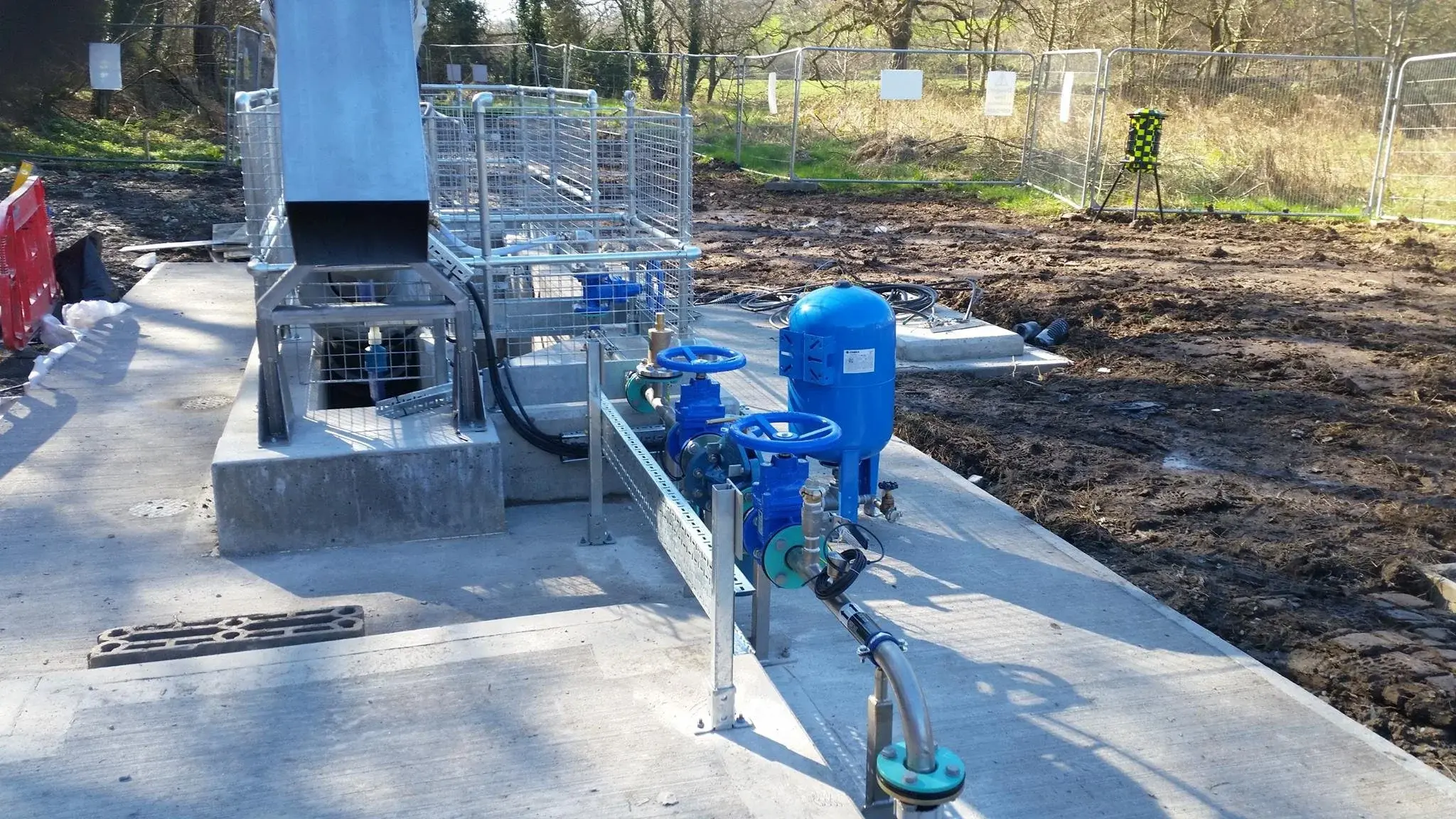
Pumping Station Maintenance for Swansea City Council
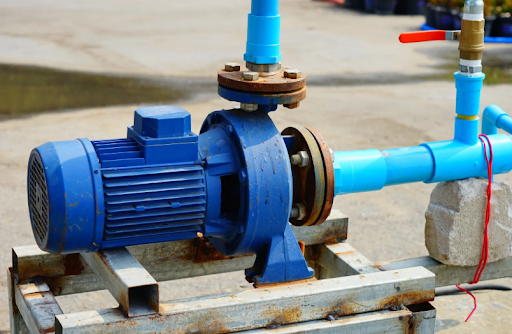
Why Does A System Need To Have A Booster Pump?